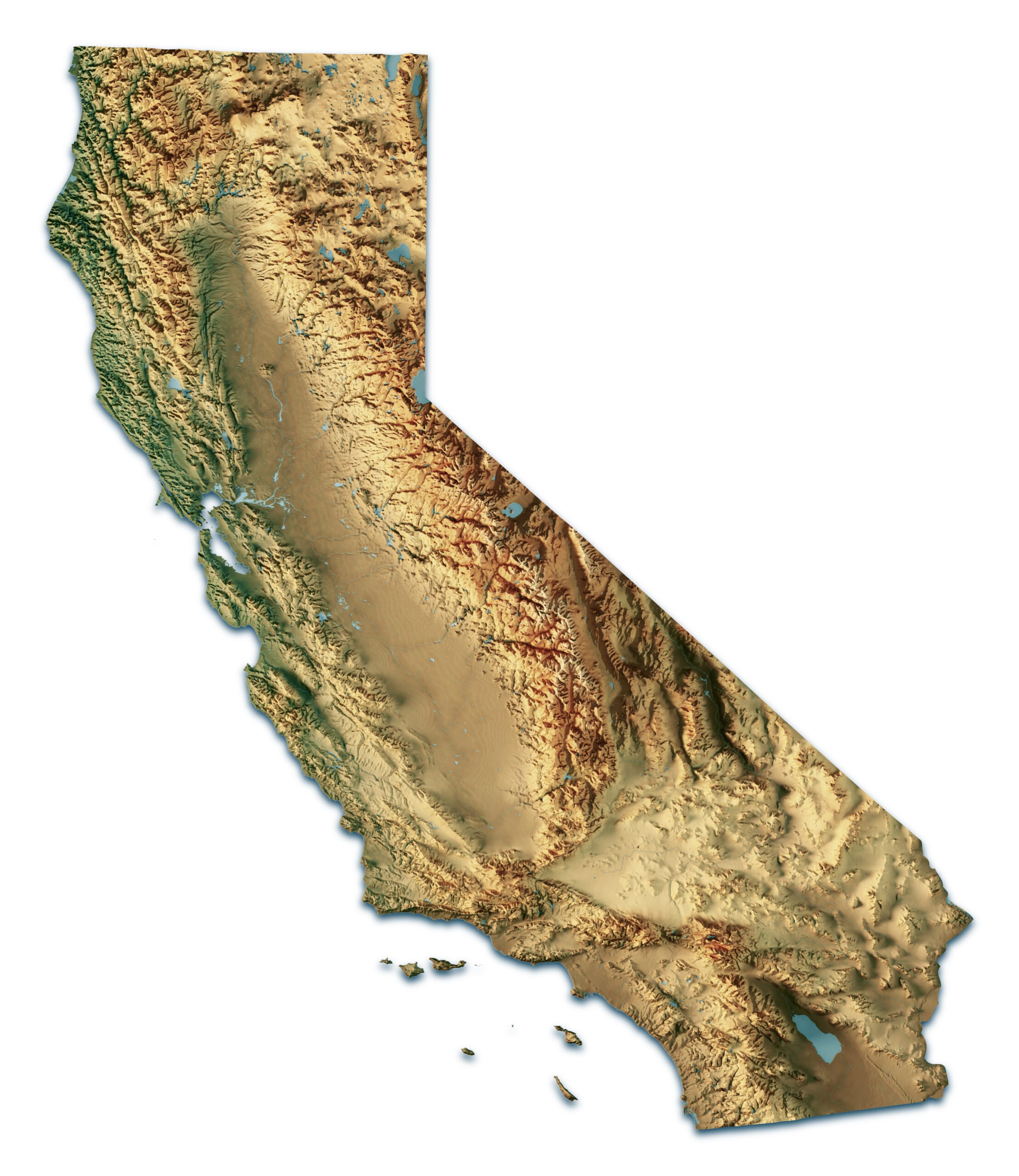
Every place has a story. Some stories are told often. Others are overlooked, simplified, or forgotten. For generations, the communities of California’s interior have helped feed the nation, power the state’s economy, shape its politics, and preserve some of its deepest cultural memory. Yet too often, the region is treated as background, mentioned in passing, reduced to stereotypes, or understood only through crisis.
Caliture begins from a different premise: California’s Central Interior deserves to be understood on its own terms. This publication was created to cover the region with patience, rigor, and clarity, bringing thoughtful journalism, historical storytelling, civic intelligence, and future-focused analysis to the communities that call California’s interior home.
Our first region is also our home and our starting point. From the fertile valley floor to the foothills of Gold Country, the Central Interior is a place where agriculture, commerce, history, innovation, and community intersect. It is defined not only by what it produces, but by the people who live here, build here, remember here, and invest in what comes next.
What Is Caliture?
Caliture is a digital publication dedicated to covering life across California through three lenses: the past that shaped us, the present that defines us, and the future we are building together. Our mission is simple: to record life as it was, is, and can be.
We believe good journalism should do more than report events. It should help people understand where they live, how their communities function, and what forces are shaping the future around them. That means exploring local history, explaining public policy, examining economic trends, highlighting cultural institutions, and connecting individual communities to the broader story of California.
In an era of shrinking local newsrooms and fragmented information, Caliture seeks to provide context, perspective, and a deeper understanding of the places we call home. Our editorial approach is built around depth and readability, with reporting designed for readers who want context rather than noise.
The Central Interior
The Central Interior serves as Caliture’s launch region. It includes communities across San Joaquin County, Stanislaus County, Merced County, Calaveras County, Tuolumne County, and Mariposa County. Together, these counties form one of California’s most important crossroads.
Agricultural towns sit alongside growing regional cities. Historic Gold Rush communities share economic ties with modern logistics corridors. Family farms operate near emerging industries. Long-standing traditions meet new pressures, new people, and new opportunities. Each community has its own identity, but many of the region’s most important issues are shared.
- Water
- Housing
- Transportation
- Economic development
- Education
- Public safety
- Preserving local character while preparing for future growth
These challenges rarely stop at city limits or county lines. Understanding them requires looking at the region as a whole. That is why the Central Interior matters, and why it deserves deeper coverage.
How to Read Caliture
Caliture is organized around three levels of coverage: Local, Regional, and Republic.
Local
Every story begins somewhere. Local coverage focuses on individual communities, institutions, and the people who shape them. These stories examine the character of towns, neighborhoods, schools, businesses, and local governments throughout the Central Interior. Local reporting helps us understand the places closest to home.
Regional
Many issues extend beyond a single city or county. Regional coverage connects the dots between communities and examines the trends, industries, infrastructure systems, and public policies that influence the broader region. Whether discussing water management, transportation networks, agriculture, housing, or economic development, regional reporting helps readers see the larger picture.
Republic
Some decisions made far from home eventually shape daily life here. Republic coverage examines statewide and national issues through the lens of how they affect California’s interior communities. The goal is not simply to report what is happening in Sacramento or Washington, but to understand what those decisions mean for the people, cities, farms, schools, businesses, and institutions of the Central Interior.
Our Editorial Framework
Every article published by Caliture falls within one of three editorial sections.
Roots & Dust
The Past. Roots & Dust explores history, heritage, geography, culture, and the people who shaped the communities we know today. This is where Caliture looks back, not out of nostalgia alone, but because the past still lives in the land, the towns, the roads, the institutions, and the memory of the region.
The Civic Commons
The Present. The Civic Commons examines public policy, government, community affairs, economics, and the institutions that influence daily life. This is where Caliture explains how things work now, how decisions are made, how public money is spent, how communities grow, and how civic life takes shape.
The Horizon
The Future. The Horizon looks ahead at infrastructure, education, innovation, workforce development, technology, water, and long-term regional growth. This is where Caliture examines what the Central Interior may become and what choices will shape that future.
Life as it was, is, and can be.
Why It Matters
Strong communities require informed citizens. Strong regions require shared understanding. And California’s future depends, in part, on places that often receive less attention than they deserve despite contributing so much to the state’s success.
The Central Interior is not a side note to California’s story. It is one of the places where the future of the state is being negotiated in real time. Growth pressures, environmental constraints, public investment, and demographic change are reshaping the region, often outside the spotlight. Caliture exists to bring those developments into focus with reporting that is measured, independent, and regionally informed.
The Central Interior deserves journalism that takes its people, institutions, history, culture, and future seriously. That is the purpose of Caliture. This is our first region, our first chapter, and just the beginning. Over time, Caliture will expand into additional regions across California’s interior, but for now our focus remains on building a publication worthy of the Central Interior and the people who call it home.
Caliture
California: In Focus.
Local. Regional. Republic.