
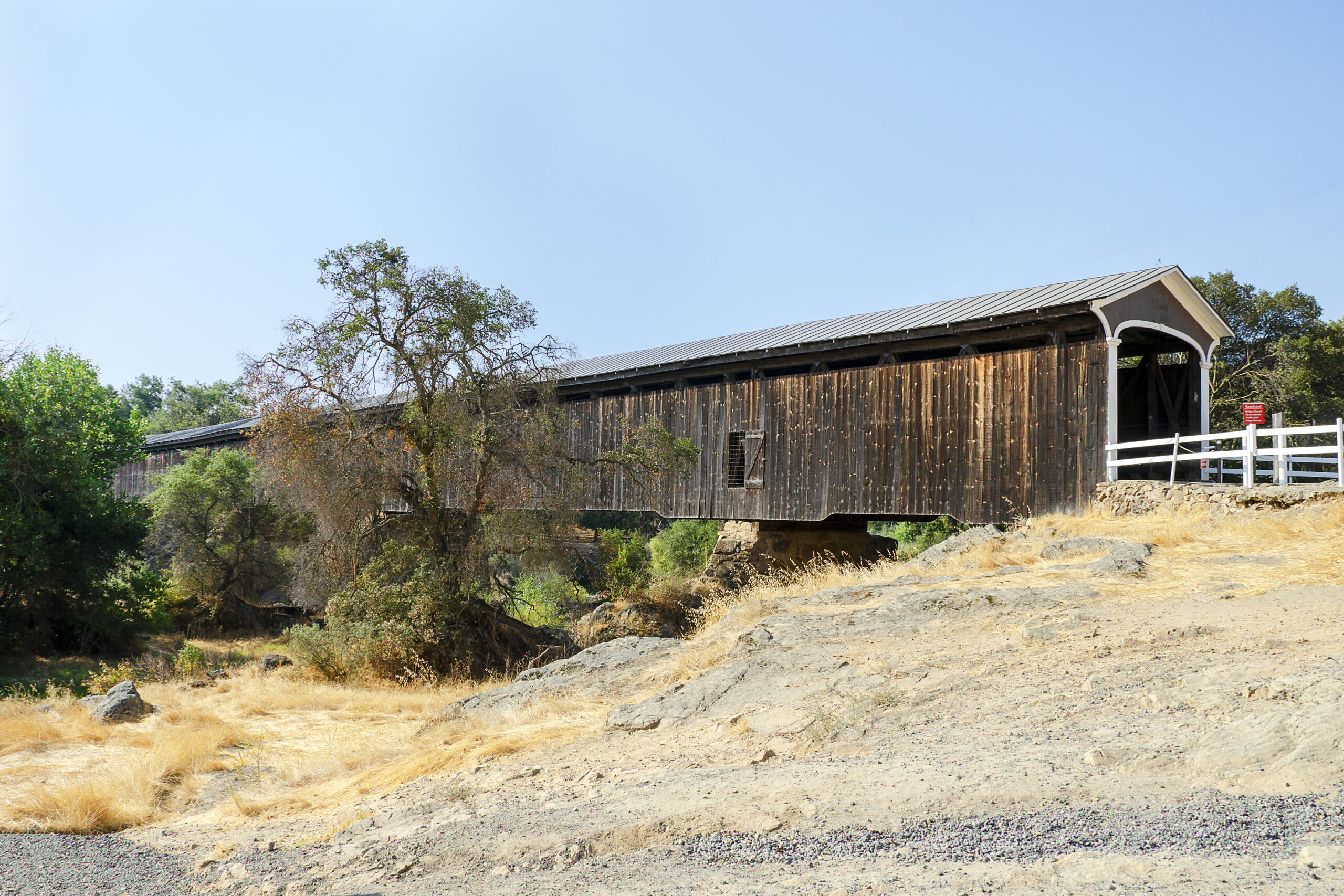
Across the Valley and its foothills, there are places that no longer command the attention they once did.
A weathered schoolhouse set back from the road. An old brick storefront with windows darkened by time. A cemetery near the edge of a field. A historic marker beside a quiet highway. A main street that may no longer bustle, but still carries the memory of the people who passed through it, built around it, and called it home.
These are the smaller towns and crossroads communities of the Valley.
Some were ferry points. Some were grain depots. Some were stage stops, mining supply centers, agricultural service towns, or foothill settlements tied to older routes of trade and travel. They had stores, churches, schools, boarding houses, post offices, warehouses, and gathering places. They gave people a reason to stop, trade, worship, work, settle, and belong.
Today, some of these places are quieter than they once were. Some have been bypassed by highways, overshadowed by larger cities, or folded into the broader geography of modern life. Others remain as historic districts, rural communities, scenic stops, or names that still mean something to the families and residents who know their stories.
But quieter does not mean unimportant.