Jeremy Rocha
Founder and Editor
August 25, 2026
For more than five decades, the California Environmental Quality Act has shaped nearly every significant development decision in the state. In the San Joaquin Valley, CEQA has influenced where housing can be built, how long approvals take, and whether projects near farmland or existing neighborhoods move forward or stall. In the summer of 2025, that framework changed in meaningful ways. Two budget trailer bills—Assembly Bill 130 and Senate Bill 131—created new statutory exemptions and limited the scope of review for certain projects. The changes took effect immediately and are now part of the daily reality for planners, developers, and local officials from Stockton to Turlock.
The reforms do not repeal CEQA. They narrow its reach for specific categories of projects, particularly housing that meets defined criteria, and they reduce the leverage that lengthy environmental review once provided as a tool for delay. For a region that has struggled to produce enough housing while protecting productive agricultural land, the practical effects are already beginning to appear.
What the New Rules Actually Do
AB 130 established a new statutory exemption for qualifying “infill” housing projects. To qualify, a project generally must sit on a site of 20 acres or less (or four acres or less for certain builder’s remedy projects), be located in an incorporated city or designated urban area, and either be previously developed or substantially surrounded by urban uses. The project must be consistent with the local general plan and zoning, meet minimum density thresholds that vary by jurisdiction type, and avoid certain sensitive locations such as wetlands, hazardous waste sites, or very high fire hazard zones.
When a project meets all the criteria, it is fully exempt from CEQA. No environmental impact report, no negative declaration, and no extended public environmental review period are required. Agencies also face tighter timelines to approve or deny these projects.
SB 131 added complementary provisions. One of the most significant is the “near miss” rule. If a housing project would qualify for an exemption except for a single disqualifying condition, environmental review is limited only to the effects caused by that one condition. Analysis of alternatives, cumulative impacts, and growth-inducing effects can be waived in these cases. The bill also created or expanded exemptions for agricultural employee housing that meets specific funding and design criteria, certain disadvantaged community water system projects, wildfire risk reduction activities, and rezoning actions that implement a jurisdiction’s housing element (with important limitations on natural and protected lands).
Together, the two bills represent the most substantial adjustment to CEQA’s application to housing in many years.
How This Plays Out in the Valley
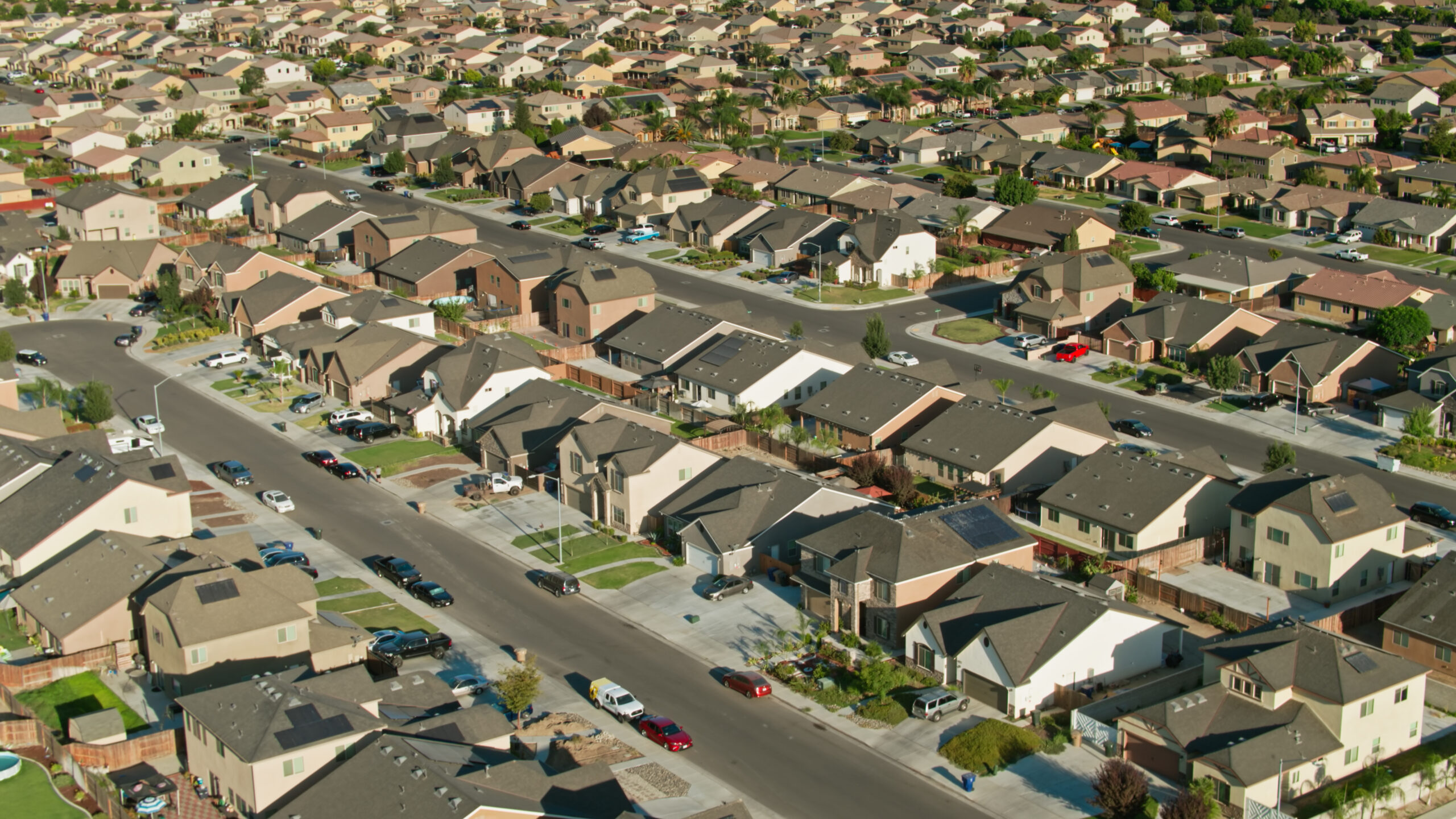
In cities such as Modesto, Turlock, Ceres, and Stockton, the new exemption is most relevant to smaller and mid-sized infill sites—underused commercial parcels, older residential lots that can support additional units, and properties already surrounded by development. Projects that once required months or years of environmental documentation can now move through a more ministerial or streamlined path if they clear the statutory checklist.
Planning staff in these cities report that the changes have reduced uncertainty for applicants who can design projects to fit the exemption criteria. Developers who focus on infill rather than greenfield sites gain a clearer timeline. For local governments struggling to meet Regional Housing Needs Allocation targets, the ability to process qualifying projects more quickly offers a practical tool.
The picture is different at the urban edge. Projects that convert productive farmland or sit outside established urban areas generally do not qualify for the new housing exemption. CEQA continues to apply in those locations, and the long-standing tension between housing production and agricultural land preservation remains. Valley jurisdictions have not been relieved of the need to balance these competing priorities; the new rules simply shift more of the streamlined pathway toward already-urbanized land.
Agricultural employee housing received targeted attention in SB 131. Qualifying projects that receive public funding through programs such as the Joe Serna Jr. Farmworker Housing Grant Program or certain local sources can claim an exemption. Privately financed housing in unincorporated agricultural areas often still faces traditional review. Advocates for farmworker housing note that the funding conditions limit how widely the new exemption can be used, even as the need for decent, affordable housing for agricultural workers remains acute across Stanislaus, San Joaquin, and Merced counties.
The Practical Consequences for Local Decision-Making
The reforms change incentives. Project applicants now have stronger reasons to design proposals that fit within the exemption criteria—keeping sites under the acreage limits, achieving required densities, and locating within existing urban footprints. Cities that update their zoning and housing elements to create more qualifying sites can reduce both their own processing burden and the risk of litigation.
At the same time, the reduced scope of review means fewer formal opportunities for neighbors and advocacy groups to raise environmental concerns through the CEQA process. Issues that once appeared in lengthy environmental documents—traffic, noise, water demand, air quality—may receive less formal analysis when a project qualifies for exemption. Local design standards, zoning rules, and political processes remain available, but the specific leverage that CEQA provided has narrowed for qualifying projects.
Water supply and infrastructure capacity continue to function as real constraints. Even an exempt project must still secure will-serve letters and comply with utility requirements. In basins operating under Groundwater Sustainability Plans, the availability of sustainable water can limit what gets built regardless of CEQA status.
Looking Ahead
The full effects of AB 130 and SB 131 will unfold over several years as more projects test the boundaries of the new exemptions and as courts interpret the statutory language. Early indications suggest that the volume of smaller infill housing applications is increasing in cities that have positioned themselves to take advantage of the rules. Larger greenfield proposals and projects on the agricultural edge continue to face traditional review.
For Valley residents, the changes mean that the location and pace of new housing will be shaped more by zoning maps, density standards, and infrastructure capacity than by the length of environmental documents. The quiet shift in process does not eliminate conflict over growth. It does change the arena in which those conflicts play out.
Local officials, developers, and community members who understand the new criteria—and who engage early with housing element updates and zoning revisions—will be better positioned to influence outcomes. CEQA’s face has changed. In the San Joaquin Valley, the practical question is how deliberately cities and counties will use the new flexibility to address housing needs while still protecting the agricultural foundation that defines the region.
The rules are now in effect. The projects that follow will show whether the streamlining produces more homes in the right places or simply accelerates development without resolving the deeper constraints of water, infrastructure, and land use priorities that have long defined growth in the Valley.

