Ag-Tech and the Future of Farming in California’s Interior

Jeremy Rocha

Founder and Editor

August 15, 2026

The orchards, vineyards, and fields of the San Joaquin region have always been shaped by a combination of soil, climate, water, and human ingenuity. From the first irrigation districts to the shift toward permanent crops, farming here has repeatedly adapted to new tools and new pressures. Today another wave of change is underway, driven by sensors, data, robotics, artificial intelligence, and biological innovations. Collectively known as ag-tech, these tools are moving from experimental trials into everyday use on more farms and ranches across the Valley.

The stakes are high. Water constraints, labor availability, rising input costs, and the need to maintain productivity on finite land are pushing growers to do more with less. Ag-tech offers one of the most promising paths to higher efficiency, better resource use, and continued economic viability. How widely and effectively these tools are adopted will help determine what Valley farming looks like over the next two decades.

The Current State of Adoption

Precision agriculture has moved well beyond early adopters in many parts of the region. Growers are increasingly using soil moisture sensors, satellite and drone imagery, variable-rate application equipment, and data platforms that integrate weather, soil, and crop information. These tools help reduce unnecessary inputs—water, fertilizer, and crop protection products—while protecting or improving yields.

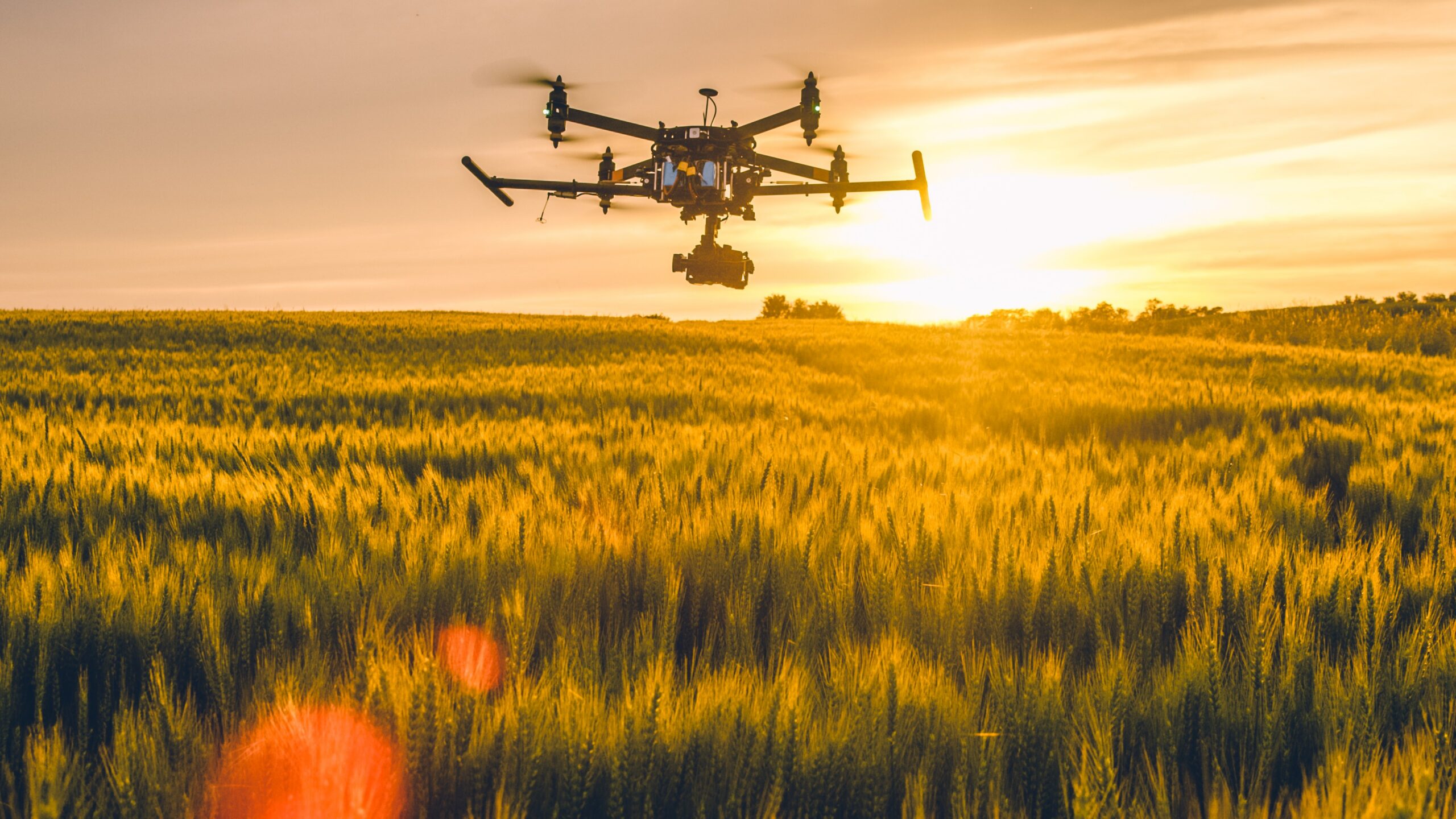
Drones equipped with multispectral cameras now allow rapid field scouting, identifying irrigation problems, pest pressure, or nutrient deficiencies earlier than traditional methods. Autonomous or semi-autonomous equipment is appearing more frequently, particularly in larger operations and permanent crops such as almonds, pistachios, and grapes. AI-supported advisory systems combine real-time data with historical records to recommend timing for irrigation, spraying, or harvest.

Adoption is uneven. Larger and better-capitalized operations have moved faster. Smaller family farms often face higher barriers related to cost, technical support, and connectivity. Still, the direction of travel is clear: data-driven and automated tools are becoming standard rather than exceptional in more segments of Valley agriculture.

Key Technologies Reshaping the Fields

Several categories of technology stand out for their potential impact.

Precision irrigation and sensor networks form one of the most immediate and valuable applications. Real-time soil and plant sensors linked to automated valves can deliver water more accurately, reducing waste while maintaining crop health. In a region where water reliability is a constant concern, these systems offer both economic and practical benefits.

Robotics and autonomy are advancing quickly. Ground robots for weeding, specialized harvesting aids, and self-guiding tractors reduce labor demand for repetitive tasks and improve timing. Early users report meaningful savings in labor costs and more consistent field operations, though the technology is still maturing for many specialty crops.

Artificial intelligence and predictive analytics turn raw data into decisions. Machine learning models can forecast disease risk, optimize spray windows, estimate yields, and even support marketing decisions. When combined with drone or satellite imagery, these systems give growers a far more detailed view of their fields than was possible a decade ago.

Biological products and improved genetics add another layer. Targeted biological controls, microbial soil amendments, and crop varieties bred for drought tolerance or nutrient efficiency are expanding the toolkit beyond traditional chemistry. These approaches can reduce environmental impact while supporting productivity.

Data platforms that integrate information from equipment, sensors, weather stations, and farm records are becoming the connective tissue. The most useful systems help growers see patterns across seasons and make more confident decisions under uncertainty.

Opportunities Specific to the Region

The San Joaquin region has several advantages that favor ag-tech adoption and innovation.

Scale and crop diversity create a rich testing ground. The variety of permanent and annual crops means that successful tools can find multiple markets. Existing irrigation infrastructure and a long culture of cooperative water management provide a foundation for shared data and coordinated technology use. Research institutions and extension services in the broader region support applied trials and knowledge transfer. Labor and resource pressures themselves act as catalysts: necessity is accelerating interest in tools that reduce dependency on scarce inputs.

If adoption continues and deepens, the Valley could maintain or even increase the economic value of its agricultural output even if total irrigated acreage moderates under long-term water limits. Higher productivity per acre, better quality, and more efficient use of water and labor would support both farm incomes and the broader regional economy that depends on agriculture.

Workforce and Community Implications

Ag-tech will not eliminate the need for skilled people. It will change the nature of many jobs. Future roles are more likely to involve operating and maintaining robotic equipment, interpreting data dashboards, managing sensor networks, and troubleshooting complex irrigation systems. These positions generally require more technical training and can command higher wages than traditional field labor.

This shift creates both opportunity and risk. Workers who gain the new skills can move into more stable and better-paid positions. Those without access to training may find fewer entry-level opportunities. The region’s education and workforce systems will play a decisive role in determining who benefits. Partnerships between community colleges, high school career programs, equipment dealers, and growers can create clearer pathways into these emerging technical roles.

Smaller farms face particular challenges. The capital cost of many advanced systems and the need for reliable technical support can be harder to manage at smaller scale. Cooperative purchasing, shared equipment models, and simplified technology packages will be important if the benefits of ag-tech are to reach beyond the largest operations.

Challenges on the Road Ahead

Several barriers still slow widespread adoption. Upfront costs remain significant for many tools. Rural broadband gaps limit the performance of cloud-based systems in some areas. Data ownership, privacy, and interoperability between different platforms create uncertainty. The learning curve for multi-generational farm families can be steep, especially when new systems require different ways of making decisions. There is also the risk of over-reliance on technology that can fail during extreme weather or system outages.

Regulatory questions around autonomous equipment, drone operations, and new biological products add another layer of complexity. Clearer standards and practical support for compliance would help more growers move forward with confidence.

A Vision for Valley Farming in the 2030s

By the early 2030s, a successful trajectory would see sensors and analytics guiding irrigation and input decisions on a much larger share of acres. Robots and automated equipment would handle more repetitive tasks, freeing human workers for higher-skill roles. Drones and satellites would provide continuous monitoring. Traceability systems would allow buyers and consumers to see more about how and where food was produced. Some operations would generate part of their own energy through solar installations designed to coexist with crops or canal infrastructure.

In this future, the San Joaquin region would continue to produce high-value crops for domestic and export markets, but with greater efficiency and resilience. Agriculture would remain a foundational economic and cultural force, supported by a growing layer of technical services, equipment innovation, and data-driven management. The Valley would be known not only for what it grows, but for how intelligently it grows it.

The Human Element Endures

Technology changes tools and methods. It does not replace the core strengths that have always defined farming in this region: detailed knowledge of land and microclimates, practical problem-solving, willingness to adapt, and the multi-generational commitment that keeps many operations going through difficult years.

The most successful path forward will combine new tools with those enduring strengths. Growers, researchers, equipment providers, educators, and policymakers who work to make ag-tech accessible, practical, and profitable for a wide range of operations will help write the next chapter of Valley agriculture. The fields will still need skilled people who understand both the land and the technology. The future of farming here will be shaped by how well those two forms of knowledge are brought together.